
Why Incorrect Measurements Are Often the Beginning of a Difficult Project
When Good Designs Start Going Wrong
Most designers have experienced it
A project that seemed perfectly under control suddenly becomes complicated. A furniture layout doesn't fit as expected. Custom cabinetry requires redesign. Contractors start asking questions. Deadlines begin to shift. While these challenges often appear during the design or construction phase, they frequently originate much earlier, during the site survey. A missing dimension, an incorrect ceiling height, or a measurement taken from the wrong reference point can seem insignificant at the time, yet every layout, drawing, rendering, and technical detail that follows depends on that information being accurate. By the time the problem surfaces, the original measurement error is usually forgotten, but its impact can be felt throughout the entire project. This is why accurate measurements aren't just a technical task; they're often the foundation that determines if a project runs smoothly or becomes unnecessarily difficult.
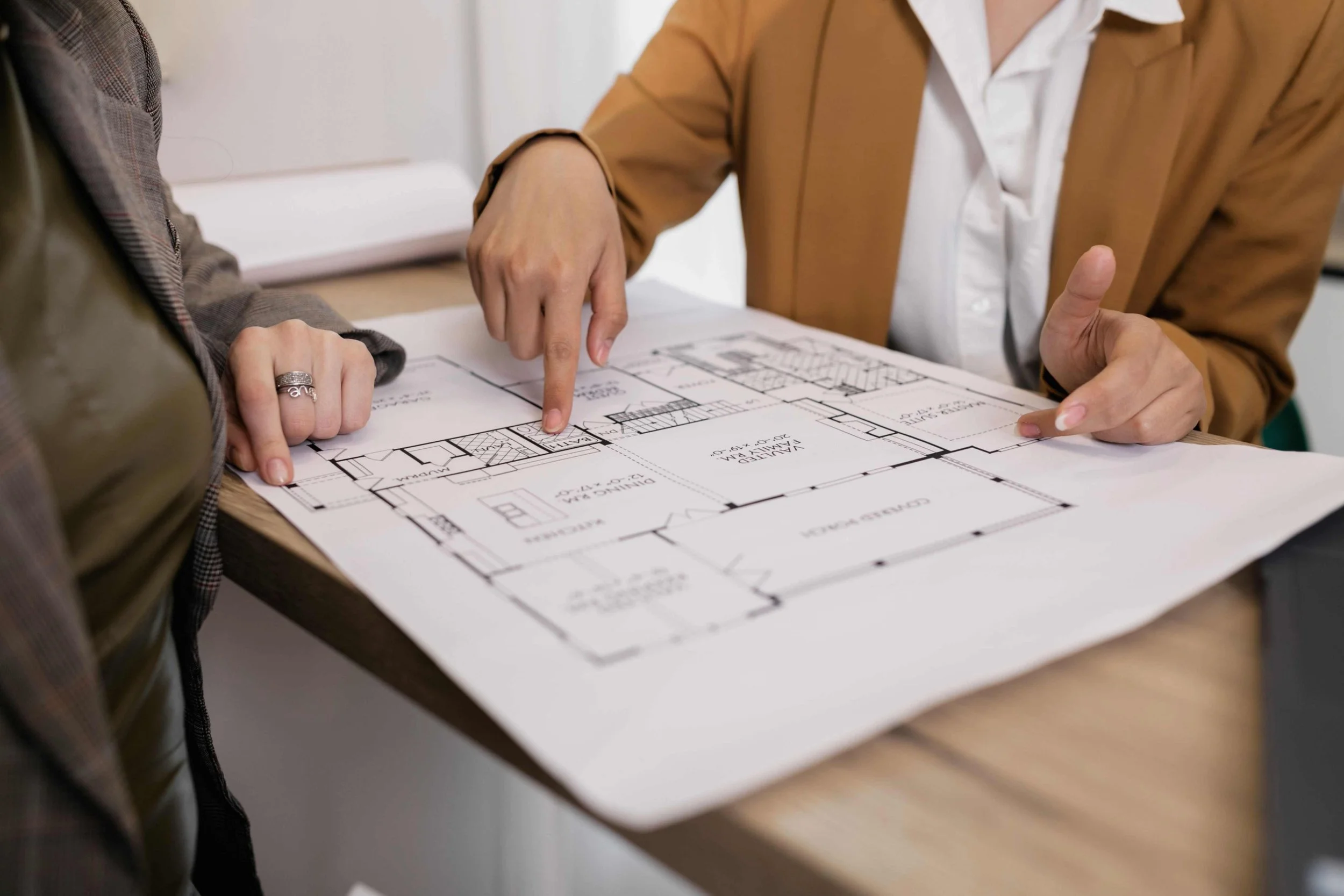
Design Is Only as Good as the Information Behind It
Interior designers make hundreds of decisions throughout a project. Space planning, furniture layouts, kitchen design, custom cabinetry, lighting coordination, technical drawings, and construction documentation all depend on one thing: accurate measurements.
When dimensions are correct, the design process flows smoothly. Ideas can be explored with confidence. Drawings progress efficiently. Contractors receive clear information. Clients feel reassured that everything is moving in the right direction. However, when dimensions are incomplete or inaccurate, uncertainty quietly enters the project. And uncertainty has a habit of multiplying. A designer may question whether a piece of furniture will fit as intended. A drafter may hesitate before finalising a drawing package. A contractor may request clarification. A client may start asking additional questions. None of these issues are major on their own. Together, they create delays, revisions, and unnecessary complexity.
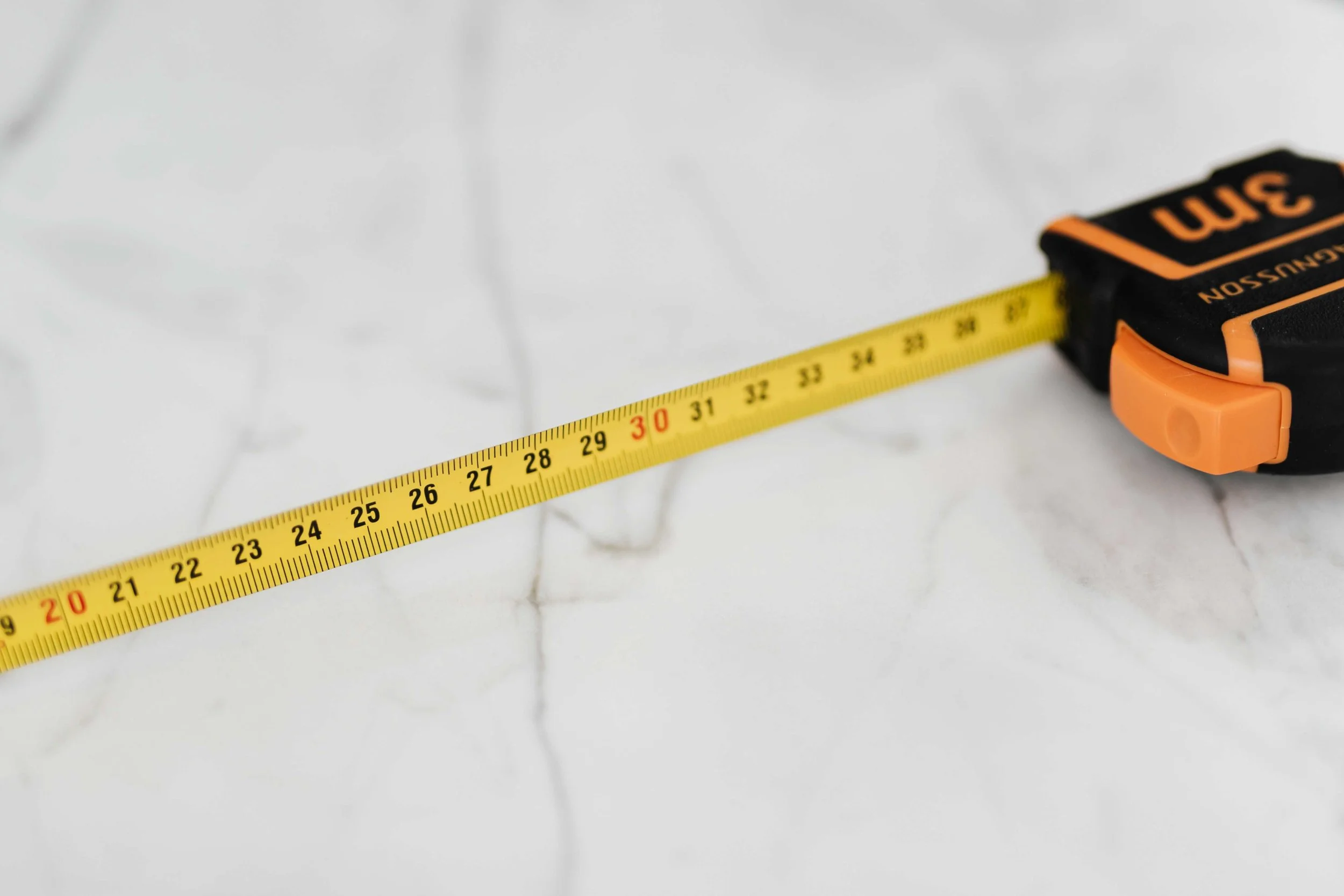
The Real Cost Isn't the Measurement Error
One of the biggest misconceptions about measuring mistakes is that the cost lies in the incorrect dimension itself, when in reality the real expense comes from the chain reaction of revisions, delays, and coordination issues that follow.
Does this sound familiar?
Drawings need updating
Layouts require revision
Contractors need clarification
Design decisions must be reviewed
Meetings need scheduling
Emails need sending
Experienced designers know that the true cost of uncertainty isn't the missing dimension itself, but the time, revisions, and coordination it creates when a simple measuring oversight goes unnoticed until later in the project.
Small Errors Grow as Projects Progress
Finding a missing dimension during a site survey is usually manageable.
Finding it while producing technical drawings is frustrating.
Finding it after custom millwork has been designed is expensive.
Finding it during construction can affect budgets, schedules, and client confidence.
This is particularly important in projects involving custom cabinetry, built-in furniture, kitchen design, millwork, lighting coordination, and construction documentation, where every decision depends on accurate dimensions. In these areas, what seems like a minor two-inch measuring error can quickly snowball into design revisions, procurement issues, installation challenges, contractor queries, and costly project delays.
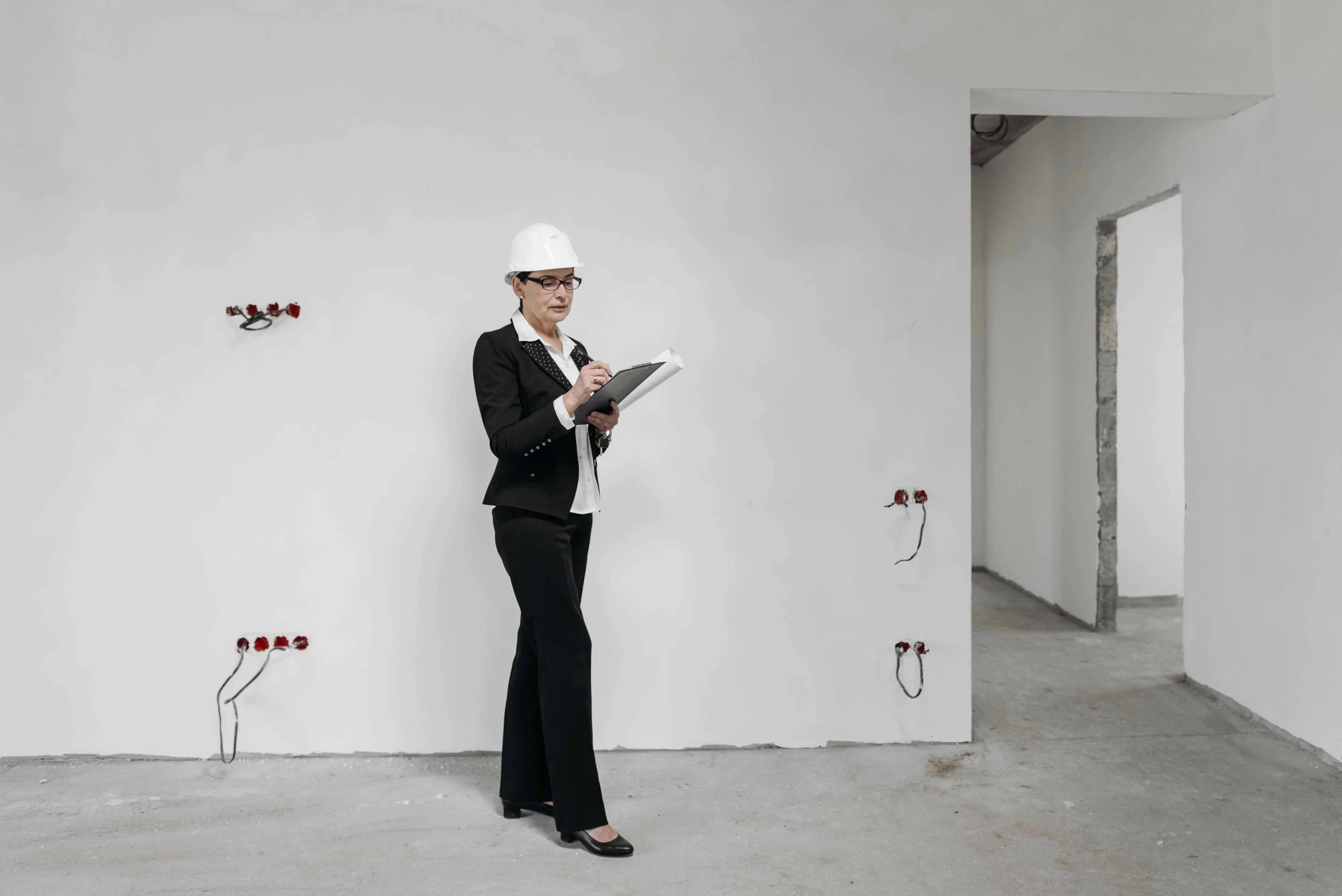
Measuring a Room Is Harder Than Most People Think
Measuring a room sounds simple enough: measure the walls, windows, and doors, and assume you have everything you need. But in reality, site surveys are often more complicated than they appear. Rooms aren't always perfectly square, ceiling heights can vary, walls can be uneven, and existing construction doesn't always match the original plans. The purpose of a site survey isn't just to collect measurements; it's to gather the information needed to make confident design decisions later. That's why a room can seem fully measured and documented, yet still be missing a critical detail that causes problems further down the project.
The Measurements That Matter Most Are Often Unexpected
The measurements that cause the biggest problems are often not the ones you expect. It's usually not the overall size of the room that creates issues, but smaller details such as the position of a ceiling beam, the depth of a bulkhead, the location of plumbing, trim projections, cabinet clearances, electrical outlets, or window heights. These details can seem unimportant during a site survey, but they often become critical later in the project.
That's why experienced design studios rely on structured processes rather than memory alone, including:
Measurement checklists
Room survey sheets
Elevation sketches
Site photography
Verification procedures
Standardised documentation methods
These systems aren't designed to make projects more complicated—they help ensure important details aren't missed and reduce the risk of costly problems later in the project.
Better Measurements Create Better Projects
Successful projects are built on reliable information from the start. When measurements are accurate, designers, contractors, and clients can move forward with confidence, reducing revisions, improving coordination, and avoiding many of the issues that make projects unnecessarily difficult.
Tools that can help measure more accurately
Leica DISTO (accuracy)
Canvas/Twindo (scan-to-CAD)
Magicplan (site surveys and floor plans)
Houzz Pro Room Measurement Tool (all-in-one design business workflow)
Bosch MeasureOn (measurement documentation)
Final Thoughts
Beautiful renderings attract attention.
Creative ideas inspire clients.
Thoughtful design transforms spaces.
But before any of those things happen, there is usually a site visit, a measuring tape, and a set of dimensions quietly influencing every decision that follows.
The irony is that when measurements are accurate, nobody talks about them.
The project simply moves forward.
When measurements are wrong, however, everyone talks about them.
At Design Support Studio, we've seen firsthand how accurate room measurements, organised documentation, and well-structured drawing packages contribute to smoother projects, fewer revisions, and better coordination throughout the entire design process. Because sometimes the difference between an easy project and a difficult one isn't the design itself. It's the information the design was built upon.