
Why Interior Design Projects Lose Hours Before the Drawing Work Even Begins
Most drawing delays don't actually start during the drawing phase. In my experience, they usually begin much earlier with a missing measurement, a layout that hasn't been fully approved, a fixture selection that's still undecided, or a client comment that was discussed during a call but never documented. Sometimes, everyone believes a decision has been made, only for questions to resurface once the drawings start taking shape. By that stage, it can look like a drafting problem because the floor plan needs updating, the elevations need revising, or the cabinetry no longer works as intended. But more often than not, the drawings aren't the source of the issue. They're simply the point where an earlier gap in information finally becomes impossible to ignore.
Where Drawing Delays Really Begin
There comes a point in almost every project when it feels like it's time to move forward. The design direction is taking shape, the client is engaged, and there seems to be enough information to start producing drawings. On the surface, everything looks ready.
But I've often found that this is where the most expensive hours quietly disappear.
Not because anyone has made a major mistake, but because a few small decisions are still floating in the background. A kitchen layout is nearly approved, but not quite. An appliance has been selected from a mood board, but the specification hasn't been checked. A ceiling height has been taken from an older drawing. A client has approved the concept, but hasn't fully committed to the exact arrangement.
At this stage, none of these things feel particularly concerning. They feel like normal project details that can be confirmed as the work progresses. The problem is that once production begins, those small uncertainties rarely stay small. They tend to resurface as revisions, redraws, and conversations that pull the project backwards just when it should be moving forward.
The hours aren't usually lost when the drawings are being produced. More often, they're lost before production even starts.

One Decision Can Affect the Entire Drawing Package
Interior design production is highly connected. A layout doesn't just affect the floor plan; it influences elevations, lighting, cabinetry, furniture placement, and electrical locations as well. When an important decision changes late in the process, the impact often spreads much further than expected.
I've seen kitchen layout revisions trigger updates to cabinet elevations, appliance locations, lighting plans, dimensions, and even rendered views. What appears to be a small change can quickly create hours of additional production work behind the scenes.
This is often why projects start to feel heavier than expected. Not because anyone has made a mistake, but because the project moved forward before a key decision was fully settled.
Missing Information Doesn't Always Stop a Project
Missing information rarely brings a project to a halt. Work usually continues, assumptions are made, and drawings move forward. The challenge is that those assumptions often come back later as revisions.
A missing dimension, an unconfirmed appliance, or an assumed ceiling height may seem minor at first, but each can lead to redraws once the correct information arrives. That's why reviewing project information before production isn't about slowing things down. It's often what keeps a project moving efficiently.
Clear Approvals Save Time Later
Client approval can be another source of unexpected revisions. There's a big difference between a client saying, "I like this direction," and "Yes, let's move forward with this layout."
Before production begins, key decisions need to be clearly approved. Otherwise, questions like "Can we move the island?" or "Could we try another layout?" often appear later in the process. Those conversations are a normal part of design, but once drawings have started, they become revision time rather than design development.
Keeping Everyone on the Same Page
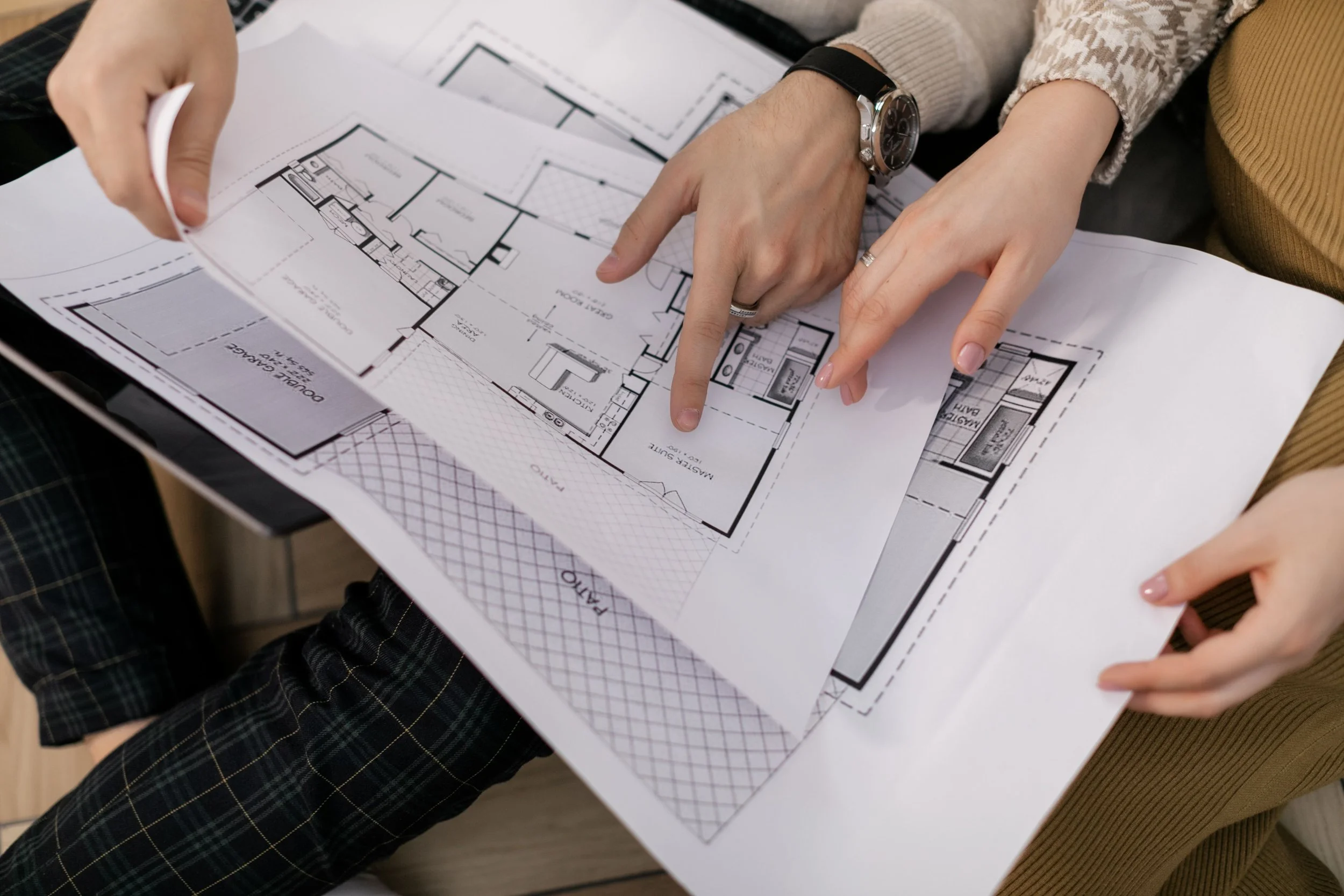
Feedback often arrives through emails, messages, calls, markups, and conversations. On their own, these comments are easy to manage. The challenge comes when they're spread across multiple places.
When feedback isn't gathered in one location, details can be missed, misunderstood, or applied to the wrong version. Instead of producing drawings, the team ends up searching for information and confirming decisions. Clear, organised feedback helps keep production moving forward.
Catch Problems Before They Multiply
The best project checks are often the simplest ones. Is the layout approved? Are the measurements confirmed? Are we working from the latest information? Is all feedback in one place?
Taking a few minutes to answer these questions before production begins can prevent hours of revisions later. A short pause at the right time often keeps a project moving faster overall.
Production Works Best When the Project Is Ready
Good technical drawings rely on clear information and stable decisions. Start too early, and revisions increase. Start too late, and unnecessary pressure builds.
The goal isn't to have every detail perfect. It's to have enough clarity for production to move forward with confidence. When that happens, drawings are easier to manage, approvals are clearer, and the project runs more smoothly from start to finish.
Production Is Faster When the Foundation Is Clear
Drafting support isn't just about producing drawings. Sometimes the biggest value comes from reviewing a project before production begins and identifying potential issues that could lead to revisions later.
The goal isn't to slow the project down. It's to protect the designer's time. A few minutes spent confirming key decisions upfront can prevent hours of redraws and unnecessary revisions later.
A project doesn't need to be perfect before production starts. It just needs to be ready enough.