
A Freelancer Adds Capacity. A Support Studio Adds Structure
When Capacity Is No Longer the Only Challenge
As interior design studios grow, bringing in freelance support is often a natural and valuable next step. More projects mean more drawings to produce, more revisions to manage, more client communication, and more procurement details to track. Add consultants, contractors, and increasingly complex project requirements, and it's easy to see why many studios turn to freelancers for additional support. In many cases, it's exactly the right decision. Freelancers provide flexibility, create breathing room, and help studios continue delivering exceptional work as demand increases. Work gets delegated, deadlines become more manageable, and projects move forward with greater momentum.
As the studio continues to evolve, however, the challenges often evolve as well. The focus gradually shifts from simply completing the work to coordinating the growing number of moving parts that support it. What once felt like a capacity challenge can become a workflow challenge, requiring not just additional hands but greater structure to keep everything running smoothly.

When More Help Doesn't Feel Like Less Pressure
You bring in support because you're busy, and the expectation is simple: more help should create more space. And often, it does. Tasks get delegated, deadlines feel more manageable, and projects continue moving forward. Yet many designers still find themselves checking projects throughout the day, answering questions, reviewing revisions, and making sure everyone is working from the latest information. The work is getting done, but the project is still taking up valuable mental space. Most designers know this feeling, and it often appears even after support has been added. That's usually when you realise the challenge may not be the amount of work itself, but everything required to keep the work moving smoothly.
The Assumption Most Studios Make
When projects become harder to manage, it's natural to assume the solution is simply more people. And sometimes that's true. But many growing studios eventually discover that the challenge isn't always the amount of work; it's the amount of coordination that surrounds the work.
Operational pressure often starts to build around:
Communication between team members, clients, contractors, and suppliers
Managing updates and revisions across multiple project stages
Keeping track of the latest drawings and documentation
Coordinating handoffs between different contributors
Maintaining version control across files and deliverables
Following up on outstanding actions and decisions
Ensuring everyone is working from the same information
The ongoing effort required to keep projects moving in the same direction
Often, it's these behind-the-scenes activities, not the drawings, revisions, or procurement tasks themselves, that consume the most time and attention.
Where Freelance Support Creates Real Value
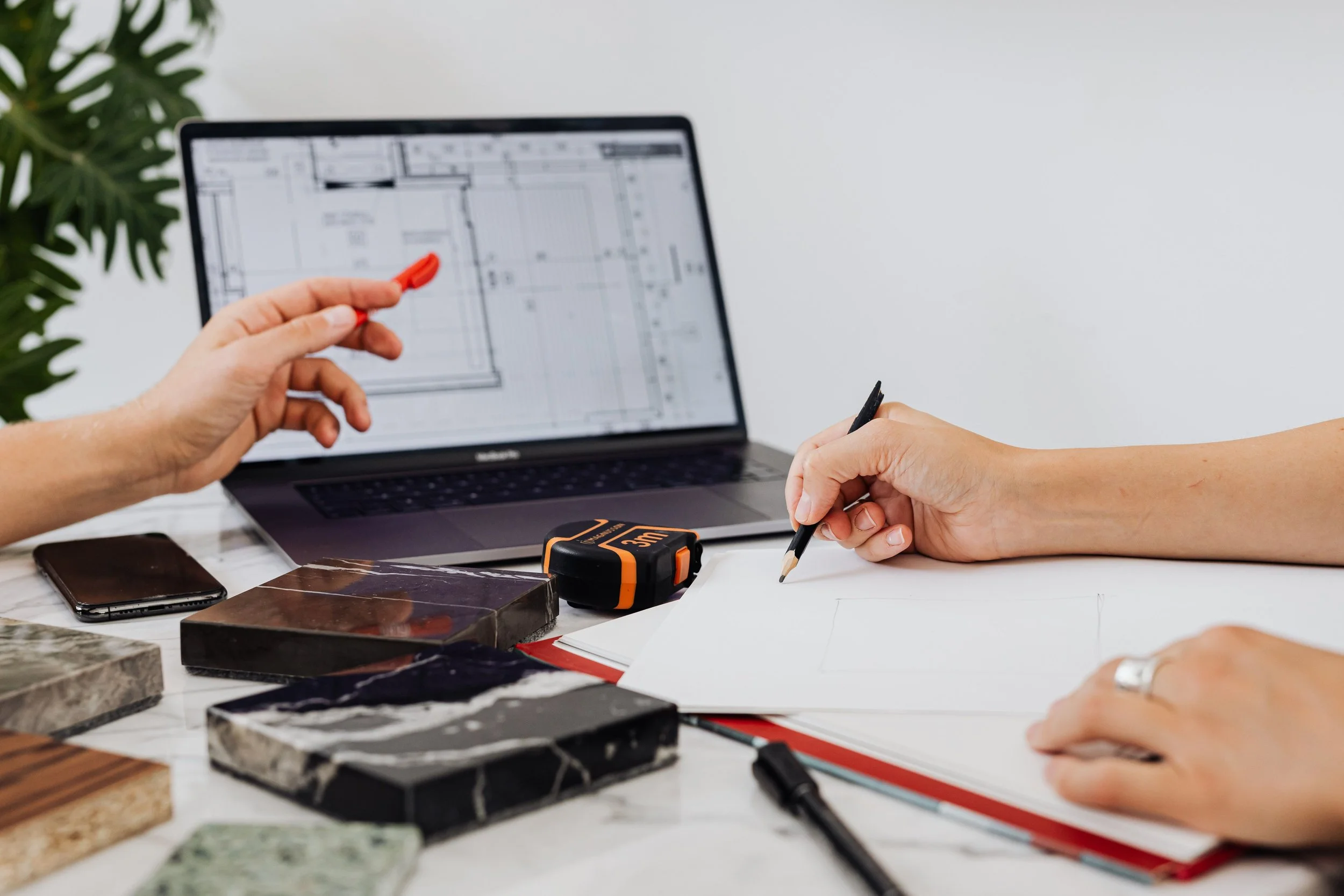
Freelancers are an invaluable part of many growing interior design studios, providing flexible support when workloads increase. Whether it's drafting, documentation, procurement, or rendering assistance, they create additional capacity and help projects keep moving without the commitment of a full-time hire. The challenge isn't that freelancers become less valuable; it's that, as studios grow, the nature of the challenge often shifts from completing the work to coordinating it.
Somewhere Along The Way, The Work Changes
As projects grow, the challenge often shifts from producing the work to coordinating it. With more deliverables, revisions, deadlines, documentation, and people involved, keeping everything aligned becomes a job in itself. What starts as a sign of growth can gradually lead to more time spent checking updates, tracking revisions, and making sure nothing falls through the cracks. The work is still moving forward, but it just takes more effort to keep it moving smoothly.
When Structure Becomes More Valuable Than Capacity
This is often the point where studios start looking for more than just additional support. As projects become more complex, the need shifts from simply getting work done to creating more consistency, visibility, and structure around how that work moves through the studio. With clearer processes, better communication, and defined responsibilities, projects become easier to manage and easier to trust.
Building a Workflow That Supports Growth
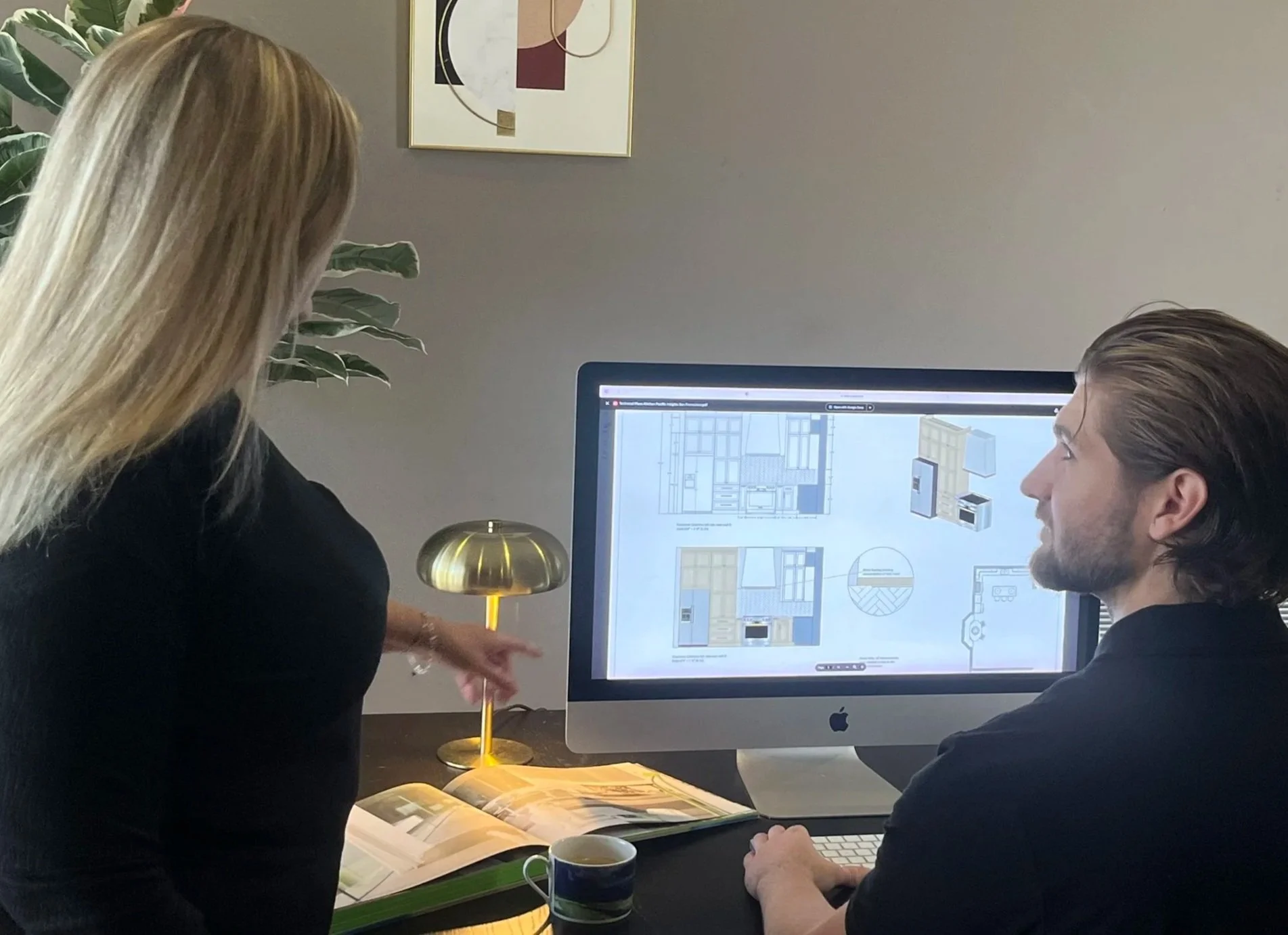
Growth is a positive sign for any design studio, but it often brings new layers of complexity. As projects become larger, documentation becomes more detailed, and client expectations continue to rise, keeping everything aligned can require just as much attention as the design work itself. This is where a design support studio can add real value, helping create the structure, consistency, and coordination needed to keep projects moving smoothly as the studio grows. Rather than simply adding capacity, the focus is on supporting the workflow behind the work, allowing designers to spend more time focused on design and less time managing the moving parts.
A Different Way To Think About Support
As studios grow, the challenge often shifts from completing the work to coordinating it. While freelancers provide valuable capacity, there comes a point where greater structure, consistency, and workflow support can have an even bigger impact.
A design support boutique helps keep projects moving smoothly behind the scenes, reducing friction and creating processes that are easier to trust. It also gives studios the opportunity to build a long-term support partnership without the overhead and commitment of an in-house hire. The result is more clarity, better coordination, and more time for designers to focus on what they do best.