
You became an interior designer to create beautiful spaces. Not to spend half your day chasing approvals, searching for the latest floor plan, or wondering whether that sofa was actually ordered. However, when you're running a solo studio or managing a small team, you're not just the designer. You're also the project manager, client coordinator, problem solver, and occasionally the person reminding everyone to check their emails. The good news? You don't need a complicated system to keep projects running smoothly. Here are ten simple rules that can make your working life a little easier.

1. If It's Not in the Scope, It's Not in the Fee
We've all heard it: "While we're at it, could we just..." And suddenly, a living room refresh has become a kitchen renovation. Before starting any project, clearly define what's included, from rooms and deliverables to revisions, purchasing, and site visits. When clients request something extra, that's perfectly fine, but discuss the additional time and fee before saying yes. A little clarity at the beginning can save a lot of awkward conversations later.
2. You Don't Have to Do Everything Yourself
Just because you can create every drawing, source every product, and manage every detail doesn't mean you should. Think about which tasks genuinely need your attention and which could be handled by someone else. Technical drawings, 3D models, product schedules, and documentation are all examples of work you might delegate. The secret is giving clear instructions, not simply saying, "Can you take care of this?" Delegating should give you time back, not create another job to manage.
3. Stop Promising Deadlines Your Calendar Can't Handle
It's tempting to promise that everything will be ready by Friday. But what happens when Friday already includes two client meetings, a site visit, and three other deadlines? Plan backward from important project dates, then check how much time you actually have available. Remember to allow time for revisions, unexpected questions, and reviewing work you've delegated. A realistic deadline is much better than an impressive one you can't meet.
4. Give Clients Homework (With Deadlines!)
Clients don't always realize that choosing a faucet can affect when plumbing work begins. Make it clear what decisions they need to make, when you need them, and what happens if they're delayed. Keep a simple list of outstanding approvals and follow up before they become urgent. A friendly reminder today is much easier than explaining a construction delay next week. Client decisions are part of the project schedule, too.
5. Which File Is Actually the Final Version?
"Final Floor Plan." "Final Floor Plan Updated." "Final Floor Plan REALLY FINAL." Sound familiar? Keep drawings, specifications, selections, and approvals in one organized location. Use consistent file names, clear revision dates, and a simple system for identifying the latest approved version. Make sure anyone working on the project knows where to find it. The correct drawing should never be a guessing game.
6. One Small Change Is Rarely Just One Small Change
Moving a vanity six inches might sound simple, until you realize it affects the plumbing, lighting, tile layout, and three drawings you've already completed. Before agreeing to changes, consider the impact on your time, project budget, and schedule. Explain those implications to your client and get approval before proceeding. It's much easier to discuss extra work before doing it than afterward.
7. Watch Your Hours, Not Just the Client's Budget
A project can be beautifully designed, perfectly within the client's budget, and still be unprofitable for your studio. Why? Because you've spent twice as many hours on it as you originally planned. Track your design hours alongside the client's spending, including meetings, revisions, drawing preparation, sourcing, and any outsourced work. You don't need complicated financial software. A simple spreadsheet or a project management tool like ClickUp, Asana, or Trello can help you track your hours, manage workloads, and see where your time is really going. You don't need anything complicated, just a system that works for you. After all, a successful project should work for your business as well as your client.
8. Don't Let Deliveries Become a Surprise
There's nothing quite like discovering that the dining table has been delayed when installation is three days away. If procurement is part of your service, keep an updated record of orders, expected delivery dates, and outstanding items. Check important deliveries regularly, especially anything that could hold up installation, and confirm who is responsible for receiving and inspecting each item. A beautiful design is much harder to install when half the furniture hasn't arrived.
9. Keep Your Clients Updated Before They Ask
Clients want to know what's happening. And when they don't know, they ask. Instead of answering individual questions throughout the week, send a short, consistent project update covering what's been completed, what's happening next, which decisions are needed, and anything affecting the timeline or budget. For larger projects, use the same information to keep your team and collaborators aligned. A few minutes of clear communication can prevent a lot of unnecessary back-and-forth.
10. Finished Should Actually Mean Finished
The installation is complete. The photographs look beautiful. Everyone's happy. But before you officially wrap things up, make sure those final details are taken care of. Prepare a list of any outstanding items, confirm who's responsible for them, and give your client a simple handover guide explaining how to care for their new furniture, fabrics, and finishes. Include cleaning recommendations, maintenance tips, warranties, and any important supplier information. It's a thoughtful finishing touch that helps your clients enjoy their new space for years to come. After all, a beautifully finished project deserves a beautiful handover.
Need an Extra Pair of Hands?
How Design Support Studio Can Help
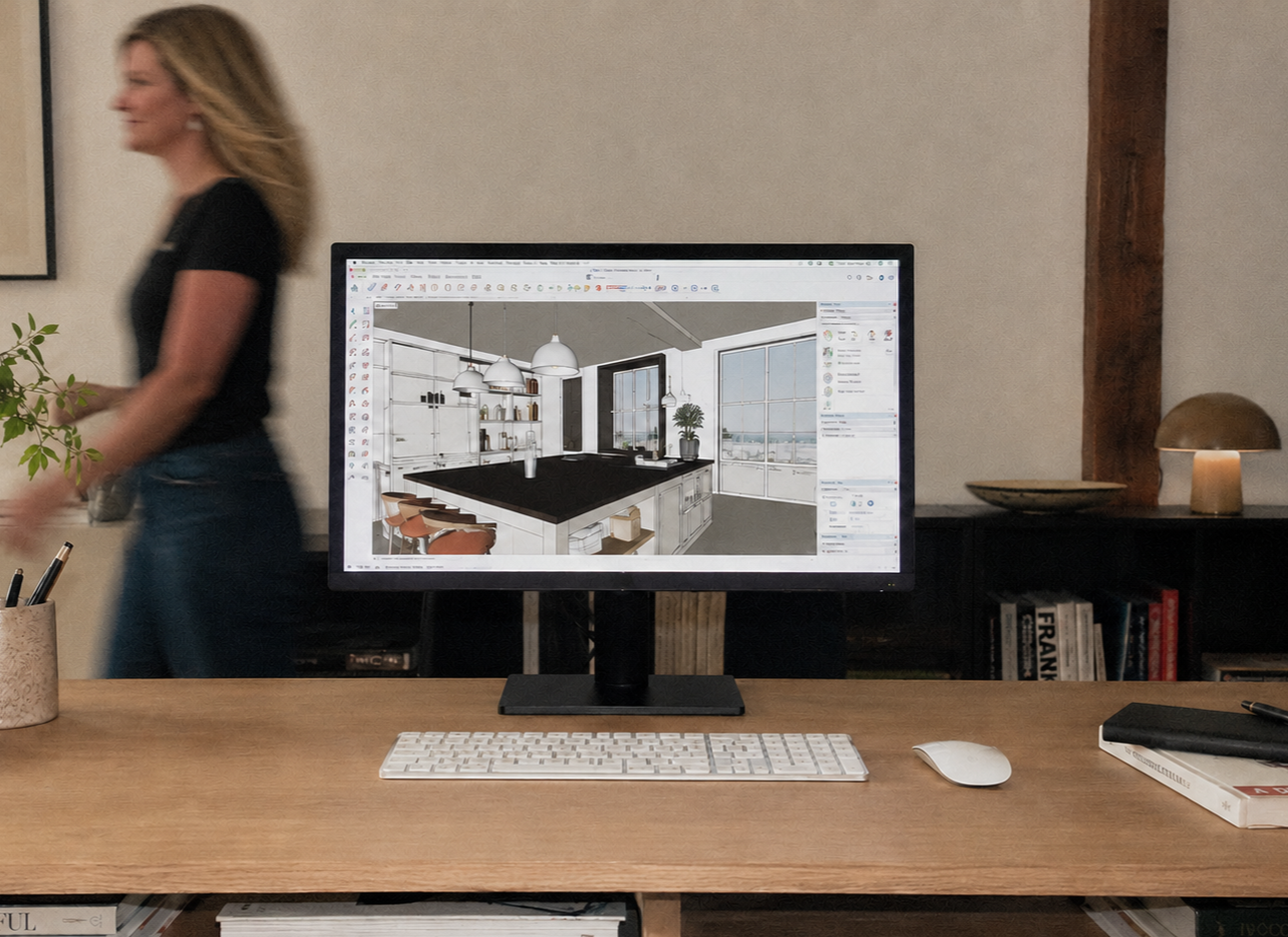
When your studio needs an extra pair of hands, Design Support Studio can take some of the technical and time-consuming tasks off your plate, giving you more time to focus on your clients and the creative side of your business.
Here's how we can help:
Technical Drawings: Floor plans, furniture layouts, interior elevations, electrical and lighting plans, reflected ceiling plans, plumbing plans, and tile layouts.
Millwork and Cabinetry Drawings: Detailed documentation to communicate your design intent to fabricators and trades.
3D Modeling and Renderings: Bringing your designs to life with visuals that help clients understand the space and make confident decisions.
Schedules and Specifications: Organizing approved furniture, fixtures, finishes, and materials into clear, easy-to-follow documents.
Sourcing and Design Assistance: Researching products and materials based on your brief and presenting organized options for your review.
Procurement Support: Helping track orders, supplier updates, and delivery timelines so fewer details slip through the cracks.
Project Documentation and Coordination: Keeping drawings, project information, revisions, and outstanding tasks organized.
Drawing and Model Revisions: Updating technical documentation as your project develops and decisions are finalized.
Whether you need help with a single drawing set, a few rooms, or ongoing support for a larger project, we can adapt to the way your studio works.
You stay in control of the design and your client relationships. We help with the work behind the scenes.
Visit designsupportstudio.com to see how we can support your next project.