
Why Contractors Keep Asking Questions About Your Drawings
How good design gets lost in translation between concept and site
In short
Contractors ask questions when drawings aren’t clear
Small gaps turn into delays and on-site decisions
Clear, structured drawings reduce back-and-forth and keep projects moving
(Body font: clean, light — Inter Light / 15–16px, line spacing relaxed)
Contractors ask questions when drawings aren’t clear
Small gaps turn into delays and on-site decisions
Clear, structured drawings reduce back-and-forth and keep projects moving
(Body font: clean, light — Inter Light / 15–16px, line spacing relaxed)
At some point in a project, it starts happening.
The design is approved.
Everything feels clear.
And then the messages come in.
“Where does this go?”
“Can you confirm this height?”
“Is this the same as the plan?”
You answer one. Then another. Then another.
And before you realize it, you’re not really moving the project forward…
you’re just responding to it.

It’s not the design
Most of the time, the design isn’t the issue.
It’s what happens after.
There’s always a step between your idea and what gets built.
And that step is your drawings.
If they’re not clear enough, the design gets interpreted.
Where things start to break down
It’s rarely one big mistake.
It’s small things.
A missing dimension.
A note that’s a bit vague.
An elevation that doesn’t quite match the plan.
Nothing dramatic.
But on site, those small gaps matter.
I remember a project where everything felt completely resolved.
The layout worked, the design was clear.
But once it reached site, the questions started.
Small ones.
But they kept coming.

This is where the design starts to drift
A contractor fills in the gap.
Makes a call.
Adjusts something to keep things moving.
Then another.
Then another.
And by the end of it, the project still works…
but it’s not quite what you designed.
That’s where a good design quietly gets lost in translation.
And at the same time…
You’re in the middle of your day.
Working on another project
Trying to focus
Actually designing
And your phone goes:
“Quick question…”
Then another.
Then another.
So now you’re doing two things at once:
Protecting the design
and trying to keep the project moving
Why it happens
Not because you don’t know what you’re doing.
Just how the work happens.
You’re designing.
You’re drafting.
You’re updating things late.
Drawings get done when they need to get done.
And without a consistent structure behind them,
things start to slip.
The part most people don’t say
Once the project leaves your screen,
the drawings are the only thing speaking for you.
If they’re not clear,
someone else starts making decisions.
What actually changes things
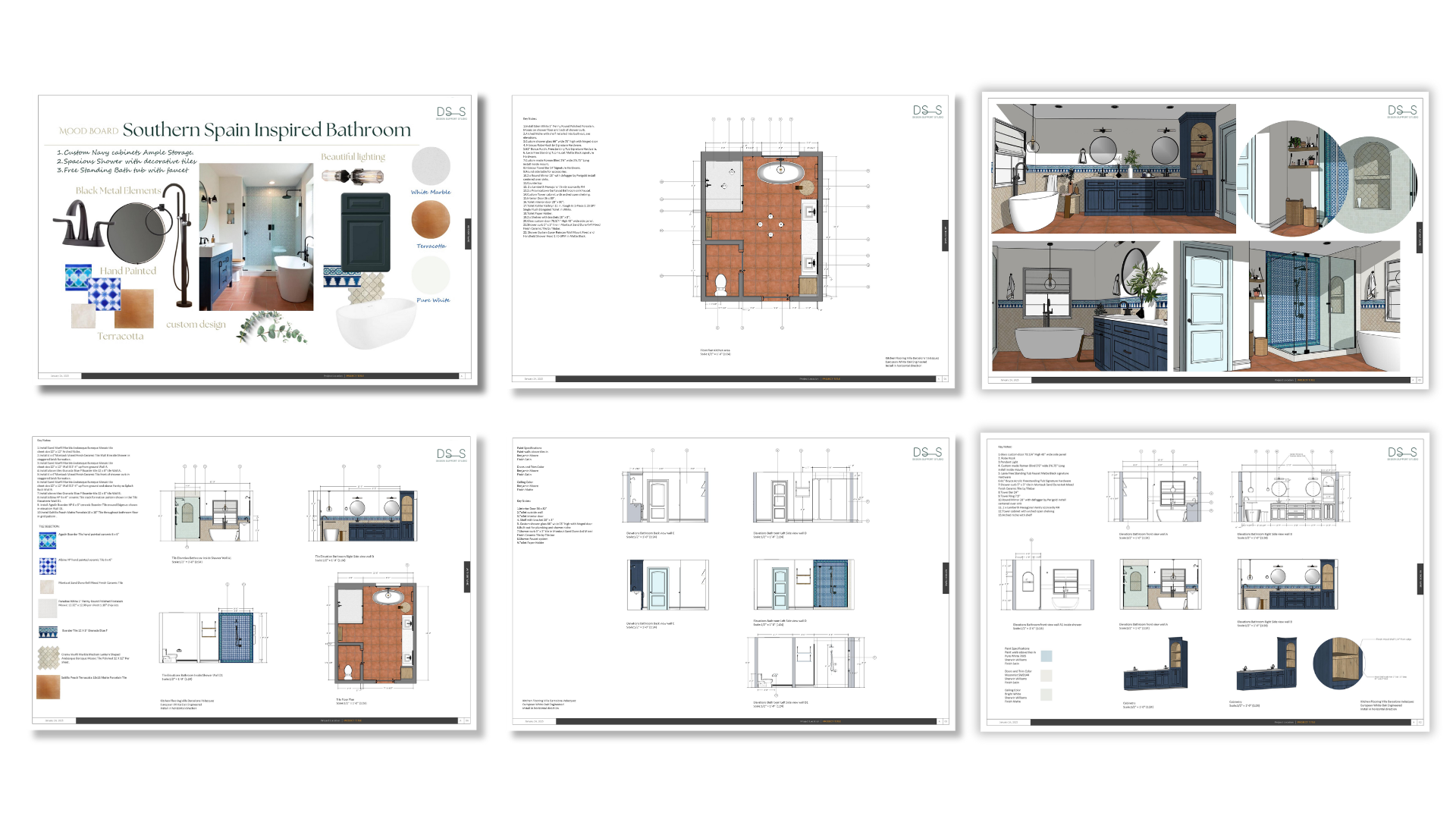
Not more drawings.
Clearer ones.
Same structure every time
Information easy to find
Plans, elevations and details aligned
No guessing required
That’s what keeps the design intact.
What it looks like when this part works
When drawings are structured properly, you feel it straight away.
Contractors stop calling for basic things.
They just follow what’s there.
You’re not explaining the same detail again and again.
Revisions still happen —
but they’re controlled.
And the biggest shift:
The project moves without you chasing it.

Final thought
Contractors asking questions isn’t unusual.
But when it keeps happening, it’s usually a sign.
Not that something is wrong with the design.
Just that the drawings are still depending on you too much.
And that’s often where projects slow down…
and where a good design can quietly get lost along the way.
It’s also the part of the process we spend most of our time supporting —
helping designers turn their ideas into drawings that actually carry through on site.