

Why Clients Connect More With Some Renders Than Others
Most Interior Designers have experienced this at some point: you show a render to a client, and suddenly everything just falls into place. The conversations with the client flow more easily, decisions happen faster, and the client feels genuinely excited and confident about the project.
Saying that there are other moments, you show a technically perfect render, the design feels strong, and you have captured all the details … yet the response feels different. The client still seems hesitant. The clients ask a lot of questions, and somehow, there’s still a disconnect between what you’re showing and what they’re truly feeling.
Renders often do far more than simply make a project look good.

A lot of clients still see them as the polished visuals you present at the end of the design process, almost like a finishing touch once all the major decisions have already been made. Which really doesn’t seem worth it! Renders should be the Ace card you use to show to convince the client to move forward after the concept stage during your detailed design.
Renders help clients emotionally understand the space. Thatʼs the real shift. Because once a client can properly picture themselves inside a room, everything tends to move more smoothly afterwards. The layout starts making sense. The atmosphere feels clearer. Materials suddenly feel more intentional. You can normally feel the moment when the project stops feeling like an idea to them, and it becomes real, and once that happens, approvals usually become easier too.
Technical drawings are an essential part of every interior design project, but adding 3D Renders makes it so much clearer to understand the designer's vision.
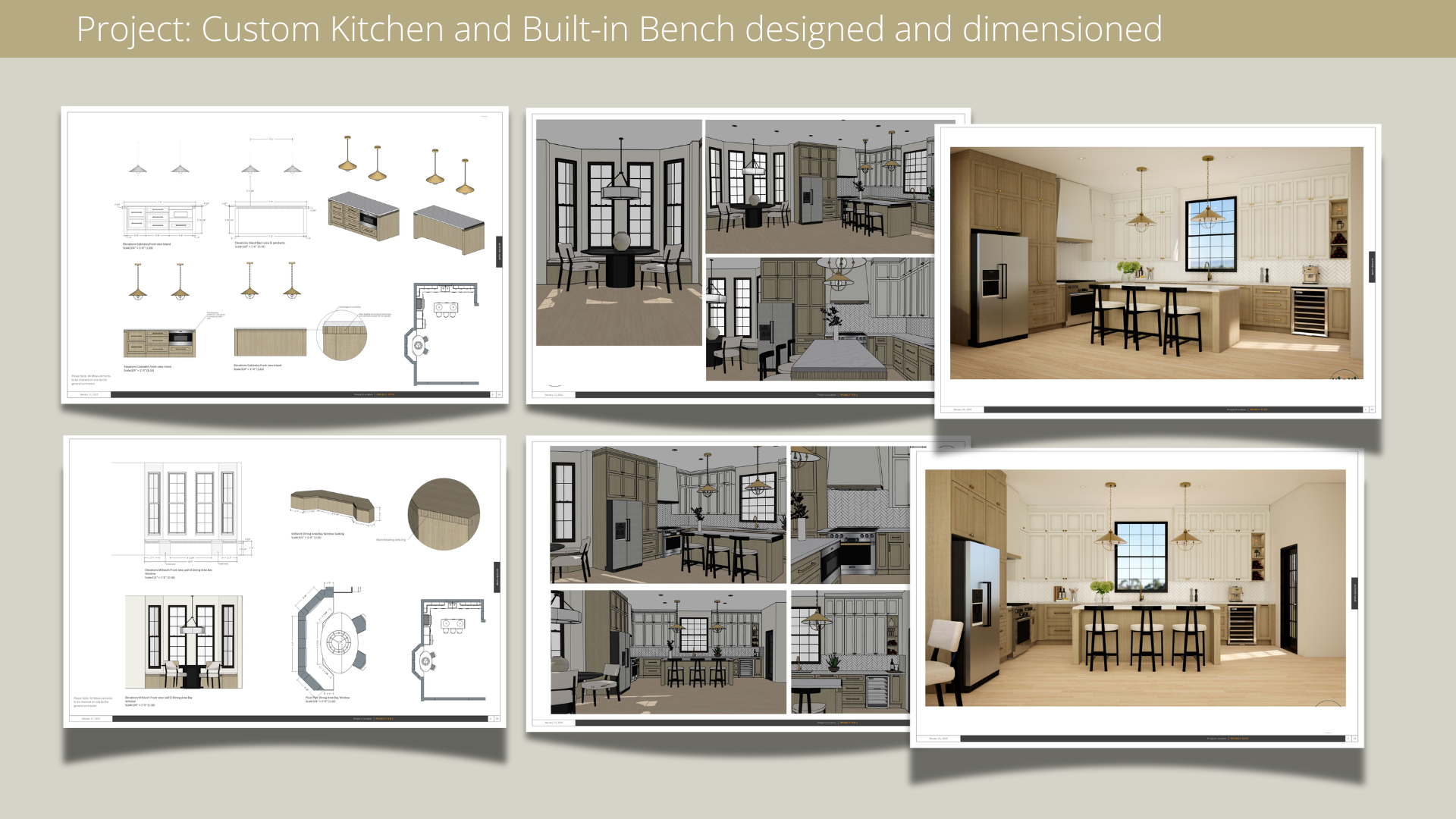
They show the layout, dimensions, lighting plans, cabinetry details, and everything needed to build the space correctly.
But for most clients, drawings can still feel difficult to fully understand. Designers are trained to read floor plans and technical details, but clients usually aren’t.
That’s where realistic renders make such a big difference.
Instead of trying to imagine how everything will come together, clients can actually see the space.
The scale feels clearer,
The materials make more sense,
The overall atmosphere becomes easier to understand.
Once people can truly visualize the design, a lot of the uncertainty disappears. And in many cases, that completely changes how smoothly the project moves forward.

So what makes your client connect instantly to your Render?
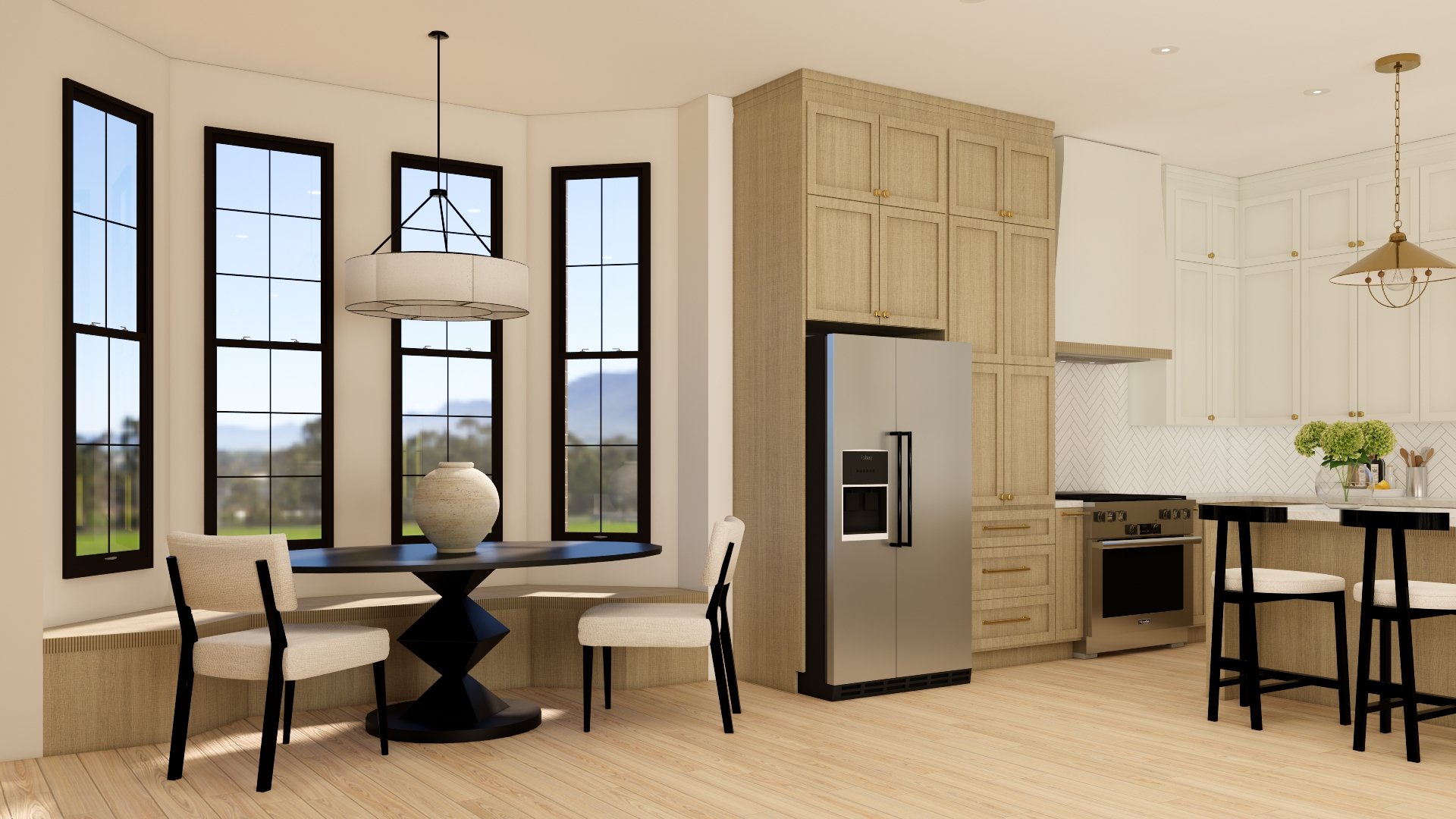
The renders clients respond to most aren’t usually the loudest or most dramatic. They’re the ones that feel real the moment you look at them, and they see themselves living in the space.
Natural light spilling into the room, soft shadows that don’t feel staged, materials with depth and texture. Not over-polished, not trying too hard, that’s what makes a render believable.
A lot of renders start to feel artificial when everything is too perfect. The lighting is flawless. Every surface is spotless, every material looks untouched. Even if people can’t explain it, they immediately feel that something is off. The image starts to feel computer-generated instead of lived in.
Real spaces have softness, variation, and imperfection. Light falls unevenly. Materials age differently, and textures catch shadows in subtle ways. Those small details are usually what create an emotional connection.
The goal isn’t to add more to the image. It’s to remove the feeling that it was manufactured. Because the most powerful renders don’t just look good, they feel believable enough that someone can imagine themselves inside them.